

As a supplier of stainless steel vacuum flask bottles, I often get asked the question: "How long can a stainless steel vacuum flask bottle keep liquids cold?" This is a crucial query for consumers who rely on these flasks to keep their beverages at the desired temperature, whether it's for a long - day hike, a busy workday, or a school outing. In this blog, I'll delve into the factors that influence the cold - keeping ability of stainless steel vacuum flasks and provide some insights based on industry knowledge and scientific principles.
The Science Behind Vacuum Insulation
Stainless steel vacuum flasks work on the principle of vacuum insulation. A vacuum is created between the inner and outer walls of the flask. Heat transfer occurs through three main mechanisms: conduction, convection, and radiation. In a vacuum, there are almost no air molecules, which means that conduction and convection, the two most common ways of heat transfer in normal environments, are significantly reduced.
Conduction is the transfer of heat through direct contact between materials. When you have a normal container, heat from the outside can easily transfer through the container walls to the liquid inside. But in a vacuum flask, the lack of air between the walls acts as a barrier, reducing this conductive heat transfer.
Convection is the transfer of heat through the movement of fluids (liquids or gases). In a non - insulated container, warm air near the surface of the container can rise and be replaced by cooler air, creating a continuous cycle of heat transfer. In a vacuum flask, the absence of air eliminates this convective heat transfer.
Radiation is the transfer of heat through electromagnetic waves. While a vacuum does not stop radiation, the stainless steel walls of the flask are designed to reflect a significant amount of radiant heat, further reducing heat transfer.
Factors Affecting Cold - Keeping Time
Quality of Vacuum
The quality of the vacuum between the inner and outer walls is one of the most important factors. A high - quality vacuum will have fewer air molecules, resulting in better insulation. The manufacturing process plays a crucial role in creating a good vacuum. Flasks that are made with advanced vacuum - pumping techniques tend to have a more stable and long - lasting vacuum, which translates to better cold - keeping performance. For example, our Stainless Steel Hot Flask is manufactured using state - of - the - art vacuum - pumping technology to ensure a high - quality vacuum.
Material of the Flask
The type of stainless steel used in the flask also affects its cold - keeping ability. High - grade stainless steel has better thermal properties and is more resistant to corrosion. It can reflect radiant heat more effectively and prevent heat from seeping through the walls. Our Thermos Stainless King Bottle is made from premium stainless steel, which not only provides excellent insulation but also ensures durability.
Initial Temperature of the Liquid
The temperature of the liquid when it is poured into the flask matters. If you pour in a very cold liquid, say straight from the freezer, it will take longer for the liquid to warm up compared to a liquid that is at a slightly higher temperature. For instance, if you pour ice - cold water into the flask, it will stay cold for a longer period than lukewarm water.
Ambient Temperature
The temperature of the environment where the flask is placed has a significant impact on the cold - keeping time. In a hot environment, such as on a sunny day at the beach, the heat from the outside will try to penetrate the flask more aggressively. On the other hand, in a cool environment, like an air - conditioned room, the flask will be able to keep the liquid cold for a longer time.
Frequency of Opening the Flask
Every time you open the flask, you allow warm air to enter and cold air to escape. This disrupts the insulation and shortens the cold - keeping time. If you open the flask frequently, the liquid will warm up faster. So, it's advisable to open the flask only when necessary.
Typical Cold - Keeping Times
Under normal conditions (ambient temperature around 25°C and the flask being opened infrequently), a good - quality stainless steel vacuum flask can keep liquids cold for 12 - 24 hours. However, this can vary depending on the factors mentioned above.
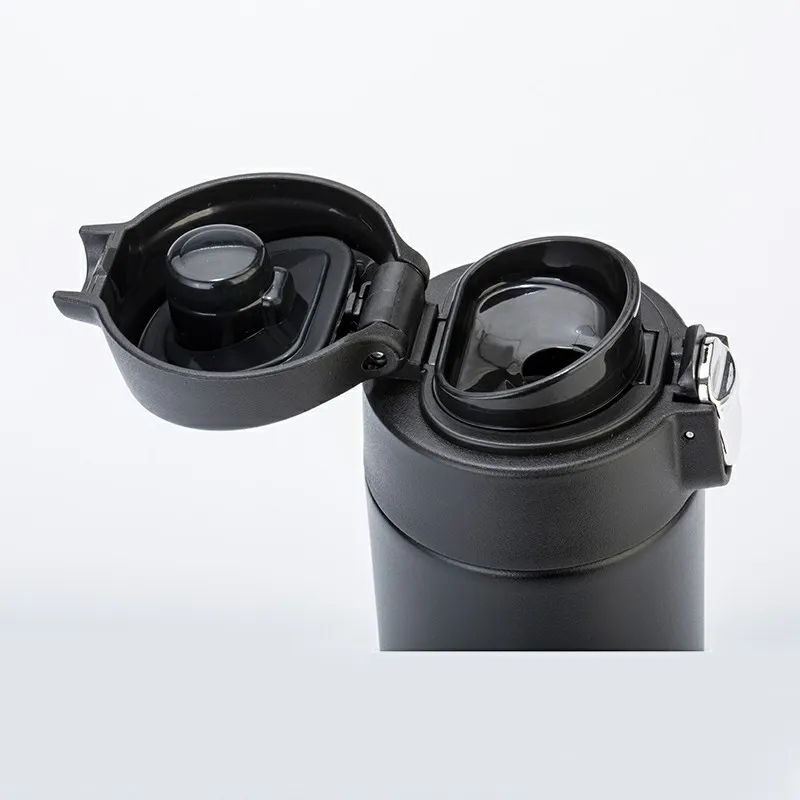
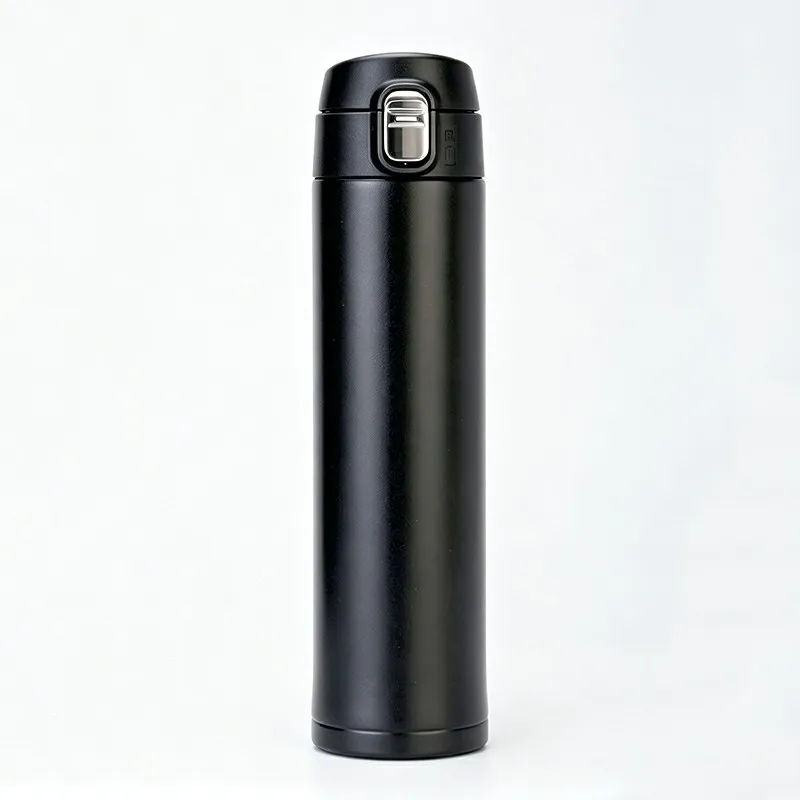
For example, in a very hot environment (around 35°C), the cold - keeping time may be reduced to 8 - 12 hours. If you open the flask frequently, the time can be even shorter. Our Stainless Steel Hot Water Thermos has been tested under various conditions, and in optimal situations, it can keep liquids cold for up to 24 hours.
Tips to Maximize Cold - Keeping Time
- Pre - chill the flask: Before pouring in the cold liquid, fill the flask with ice water and let it sit for a few minutes. Then empty the ice water and pour in your cold beverage. This helps to lower the temperature of the flask walls and improves the initial insulation.
- Use ice cubes: If possible, add a few ice cubes to the liquid. The ice will help to keep the liquid cold for a longer time as it melts.
- Keep the flask in a cool place: Try to store the flask in a shaded area or in an insulated bag. This reduces the impact of the ambient temperature on the flask.
Why Choose Our Stainless Steel Vacuum Flask Bottles
As a supplier, we take pride in offering high - quality stainless steel vacuum flask bottles. Our products are designed with the latest technology to ensure the best possible insulation. We use premium materials and strict quality control measures during the manufacturing process.
Our flasks come in a variety of sizes and designs to meet different customer needs. Whether you need a small flask for your daily commute or a large one for a family picnic, we have the right product for you. We also offer customization options, so you can have your logo or design printed on the flask.
If you are in the market for stainless steel vacuum flask bottles, we invite you to contact us for procurement and negotiation. We are committed to providing you with the best products at competitive prices. Our team of experts is ready to answer all your questions and help you make the right choice for your needs.
References
- "Heat Transfer Principles and Applications" by Holman, J.P.
- "Engineering Thermodynamics" by Cengel, Y.A. and Boles, M.A.