
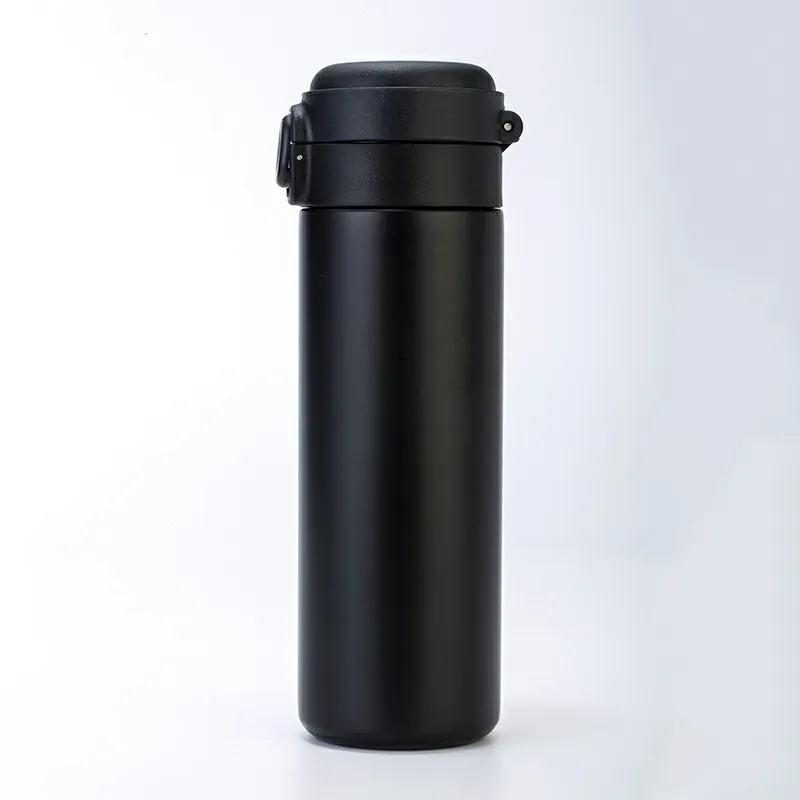
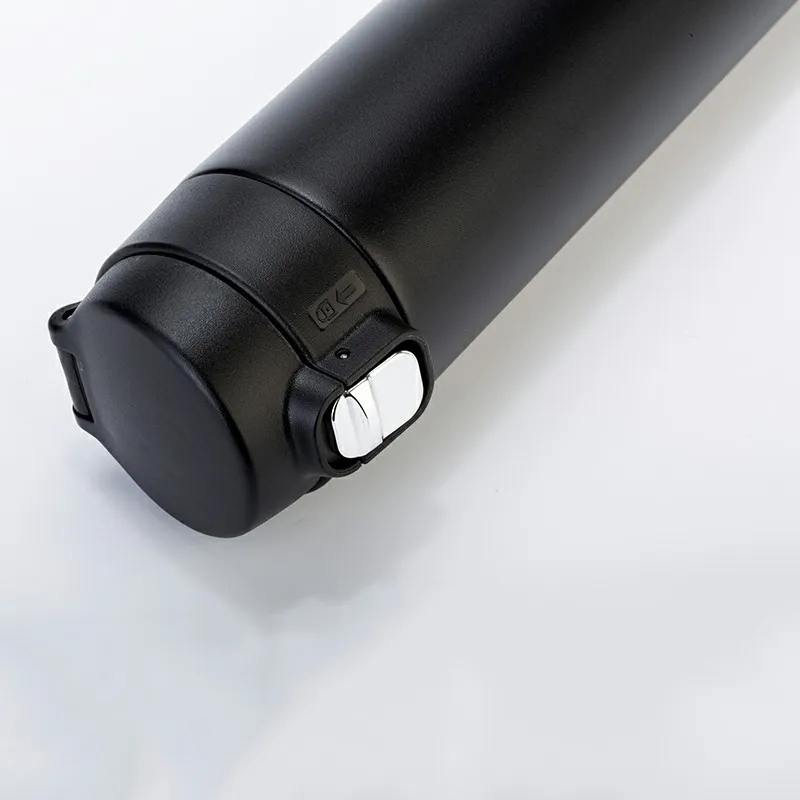
When it comes to transporting a stainless steel vacuum flask bottle, there are indeed several special requirements that need to be considered. As a supplier of Stainless Steel Vacuum Flask Bottle, I have gained significant insights into the transportation process over the years.
Packaging Requirements
The first and most crucial aspect of transporting stainless steel vacuum flask bottles is proper packaging. These flasks are delicate items, and the vacuum insulation can be easily damaged if not protected adequately. The primary goal of packaging is to prevent any physical damage during transit.
- Inner Packaging: Each flask should be individually wrapped in a soft material such as bubble wrap or foam. This provides a cushioning effect and absorbs any shocks that may occur during handling. For example, if the flask is dropped or bumped, the soft wrapping will prevent the outer shell from cracking or the inner vacuum layer from being compromised.
- Outer Packaging: After the individual wrapping, the flasks are placed in a sturdy cardboard box. The box should be of an appropriate size to fit the flasks snugly, with some extra space for additional cushioning materials like packing peanuts or air pillows. This helps to keep the flasks in place and further protects them from impacts.
Labeling and Documentation
Proper labeling and documentation are essential for the smooth transportation of stainless steel vacuum flask bottles.
- Labeling: The outer packaging should be clearly labeled with information such as the product name, quantity, and handling instructions. For instance, labels indicating “Fragile” or “Handle with Care” should be prominently displayed. This alerts the carriers and handlers to take extra precautions when moving the packages.
- Documentation: Along with the physical shipment, proper documentation is required. This includes a bill of lading, which details the contents of the shipment, the origin, and the destination. Additionally, any relevant certificates, such as quality control certificates or safety certifications, should be included. These documents ensure that the shipment complies with all regulatory requirements and helps in the customs clearance process.
Transportation Mode Considerations
The choice of transportation mode can significantly impact the safety of the stainless steel vacuum flask bottles during transit.
- Air Freight: Air freight is a popular choice for transporting these flasks, especially for international shipments. It offers a relatively fast and secure mode of transportation. However, the high altitude and changes in pressure during flight can pose a challenge. To mitigate this, the flasks should be properly sealed and the packaging should be able to withstand the pressure changes. Airlines also have specific regulations regarding the transportation of liquids, so if the flasks are filled with liquid, additional precautions need to be taken.
- Sea Freight: Sea freight is a cost - effective option for large - scale shipments. However, it has a longer transit time, and the flasks are exposed to various environmental conditions such as humidity, saltwater, and rough seas. To protect the flasks, they should be packed in moisture - resistant materials and placed in a container that is properly secured to prevent movement during the voyage.
- Road Freight: For domestic or regional shipments, road freight is often used. The main concern here is the vibration and jolting during the journey. The packaging should be designed to absorb these vibrations, and the trucks should be driven carefully to avoid sudden stops or starts.
Temperature and Humidity Control
Stainless steel vacuum flask bottles are designed to maintain a certain temperature, and extreme temperature and humidity conditions during transportation can affect their performance.
- Temperature: The flasks should be transported in an environment where the temperature is within a reasonable range. Extreme heat can cause the expansion of the liquid inside the flask and may damage the vacuum seal. On the other hand, extreme cold can make the materials brittle and more prone to cracking. If necessary, temperature - controlled transportation options should be considered.
- Humidity: High humidity can lead to corrosion of the stainless steel, especially if there are any scratches or imperfections on the surface. To prevent this, the packaging should be moisture - resistant, and the transportation environment should be well - ventilated.
Compliance with Regulations
There are various regulations that need to be followed when transporting stainless steel vacuum flask bottles.
- International Regulations: For international shipments, regulations such as the International Air Transport Association (IATA) regulations for air freight and the International Maritime Dangerous Goods (IMDG) code for sea freight need to be adhered to. These regulations ensure the safety of the shipment and the people involved in the transportation process.
- Domestic Regulations: Each country may have its own set of regulations regarding the transportation of goods. For example, some countries may have restrictions on the import of certain types of products or may require specific documentation. It is important to stay updated on these regulations to avoid any delays or penalties.
Examples of Our Products
We offer a wide range of stainless steel vacuum flask bottles, including the Thermos Stainless King Bottle, Ss Thermos Flask, Stainless Steel Hot Flask, and Stainless Steel Double Walled Vacuum Flask. All of our products are carefully packaged and transported according to the highest standards to ensure that they reach our customers in perfect condition.
Conclusion
In conclusion, transporting a stainless steel vacuum flask bottle requires careful consideration of packaging, labeling, transportation mode, temperature and humidity control, and compliance with regulations. By following these special requirements, we can ensure that the flasks are delivered safely and in good working condition.
If you are interested in purchasing our stainless steel vacuum flask bottles, we invite you to contact us for a detailed discussion on procurement. Our team is ready to provide you with the best solutions and support for your needs.
References
- International Air Transport Association (IATA) regulations.
- International Maritime Dangerous Goods (IMDG) code.
- General knowledge of packaging and transportation industry standards.