

In today's world, where environmental consciousness is at an all-time high, the question of whether a stainless travel tumbler is eco-friendly has become a topic of significant interest. As a supplier of Stainless Travel Tumblers, I am well-positioned to delve into this matter and provide a comprehensive analysis.
The Environmental Impact of Single - Use Containers
Before we assess the eco - friendliness of stainless travel tumblers, it's crucial to understand the environmental toll of single - use containers. Every day, billions of disposable cups and bottles are used and discarded worldwide. These single - use items are primarily made of plastic or paper.
Plastic cups and bottles are a major concern. They are made from non - renewable fossil fuels, and their production consumes a vast amount of energy. Moreover, plastic is non - biodegradable, which means it can persist in the environment for hundreds of years. Plastic waste often ends up in landfills, where it takes up space and can release harmful chemicals as it breaks down. A significant portion of plastic waste also finds its way into the oceans, posing a serious threat to marine life.
Paper cups, although seemingly more eco - friendly, also have their drawbacks. The production of paper cups requires cutting down trees, which contributes to deforestation. Additionally, many paper cups are lined with plastic to make them waterproof, making them difficult to recycle. The energy and water used in the paper - making process are also substantial.
Advantages of Stainless Travel Tumblers
Durability
One of the most significant advantages of stainless travel tumblers is their durability. Unlike single - use containers that are designed to be used once and thrown away, stainless tumblers can last for years. A well - made stainless travel tumbler can withstand daily use, including being dropped, banged around in bags, and exposed to various temperatures. This long lifespan means that a single tumbler can replace thousands of single - use cups over its lifetime, significantly reducing waste.
Reusability
The reusability of stainless travel tumblers is a key factor in their eco - friendliness. Once you purchase a stainless tumbler, you can use it repeatedly for your daily coffee, tea, or other beverages. Many cafes and coffee shops now offer discounts to customers who bring their own reusable cups, which not only encourages the use of stainless tumblers but also helps to reduce the demand for single - use cups.
Recyclability
Stainless steel is a highly recyclable material. At the end of its useful life, a stainless travel tumbler can be recycled and turned into new products. Recycling stainless steel requires less energy compared to producing new stainless steel from raw materials. This means that using stainless tumblers helps to conserve natural resources and reduce the energy consumption associated with the production of new materials.
Insulation Properties
Stainless travel tumblers often come with excellent insulation properties. They can keep your hot beverages hot for hours and cold beverages cold. This reduces the need for additional insulation materials such as cardboard sleeves or ice packs, which are often single - use and contribute to waste. For example, if you're on a long journey and need to keep your coffee warm, a well - insulated stainless tumbler can do the job without the need for disposable sleeves.
Potential Drawbacks and Mitigations
Production Process
The production of stainless travel tumblers does have an environmental impact. The extraction of raw materials, such as iron ore and chromium, and the manufacturing process require energy and can generate pollution. However, many manufacturers are taking steps to reduce their environmental footprint. They are using more sustainable production methods, such as energy - efficient manufacturing processes and sourcing raw materials from environmentally responsible suppliers.
Cleaning
Cleaning stainless travel tumblers requires water and sometimes cleaning agents. While this is a relatively small environmental impact compared to the production and disposal of single - use containers, it's still something to consider. To mitigate this, you can use natural cleaning agents and conserve water by filling the sink with a small amount of water instead of running the tap continuously.
Our Product Range
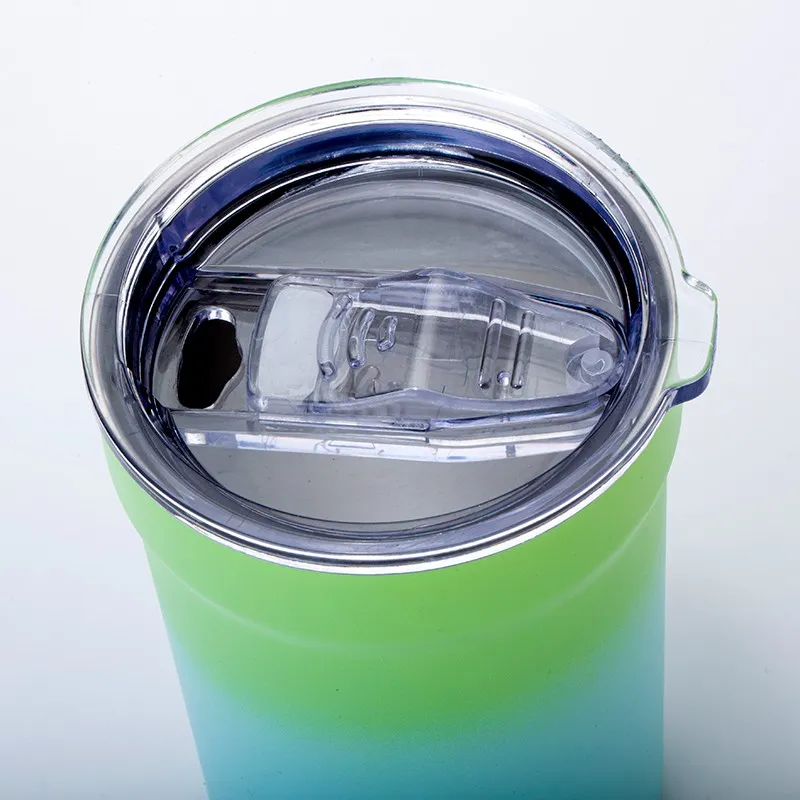
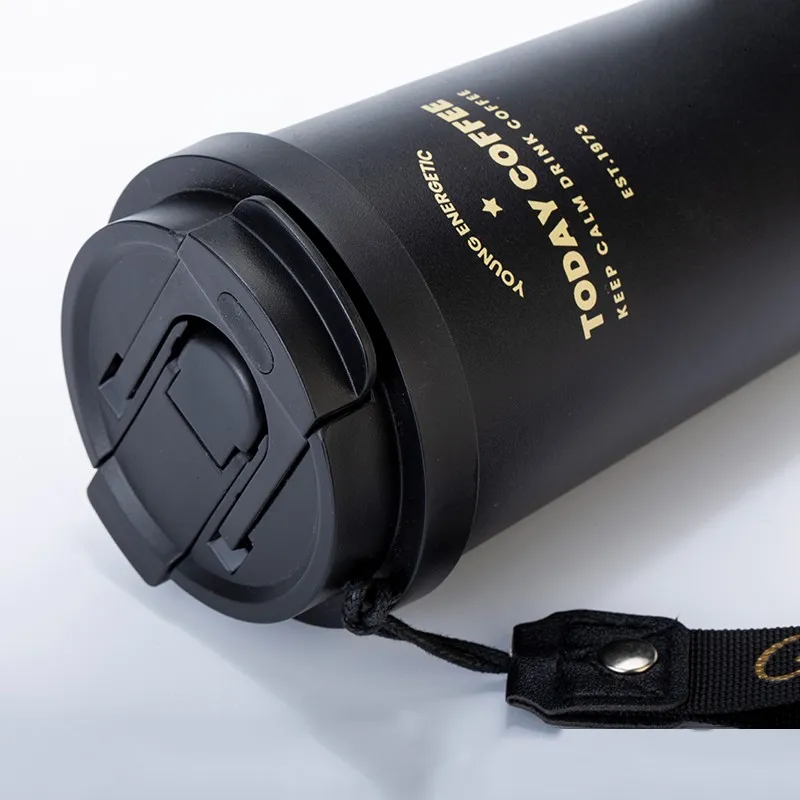
As a supplier, we offer a wide range of stainless travel tumblers to meet different customer needs. Our Coffee Cup Tumbler Stainless is a popular choice for coffee lovers. It has a sleek design and excellent insulation properties, ensuring that your coffee stays hot for hours.
For those who prefer a more traditional mug - like design, our Coffee Mug Stainless Steel Tumbler is a great option. It's made from high - quality stainless steel and is easy to clean.
If you're looking for a tumbler with a straw, our Insulated Travel Tumbler with Straw is the perfect choice. It's ideal for cold beverages and is designed for on - the - go use.
Conclusion
In conclusion, stainless travel tumblers are generally eco - friendly. Their durability, reusability, recyclability, and insulation properties make them a much better alternative to single - use containers. While there are some environmental impacts associated with their production and cleaning, these are relatively minor compared to the benefits they offer.
If you're a business looking to reduce your environmental impact or an individual who wants to make a more sustainable choice, our stainless travel tumblers are an excellent option. We are committed to providing high - quality, eco - friendly products and would be more than happy to discuss your procurement needs. Whether you're looking to purchase a small quantity for personal use or a large order for your business, we can offer competitive prices and excellent service. Contact us to start a procurement discussion and take a step towards a more sustainable future.
References
- EPA (Environmental Protection Agency). "Waste Management Hierarchy."
- Plastic Oceans Foundation. "The Impact of Plastic Pollution on the Ocean."
- Forest Stewardship Council. "Sustainable Forest Management."